Due at purchase
- Earnest money
- Inspections and appraisal
- Down payment
- Closing costs
- Agent commission
Buying a home
Whether you love it is up to you. We’ll help with the rest: what it costs to own, how it will resell, and what you’re agreeing to in the contract.
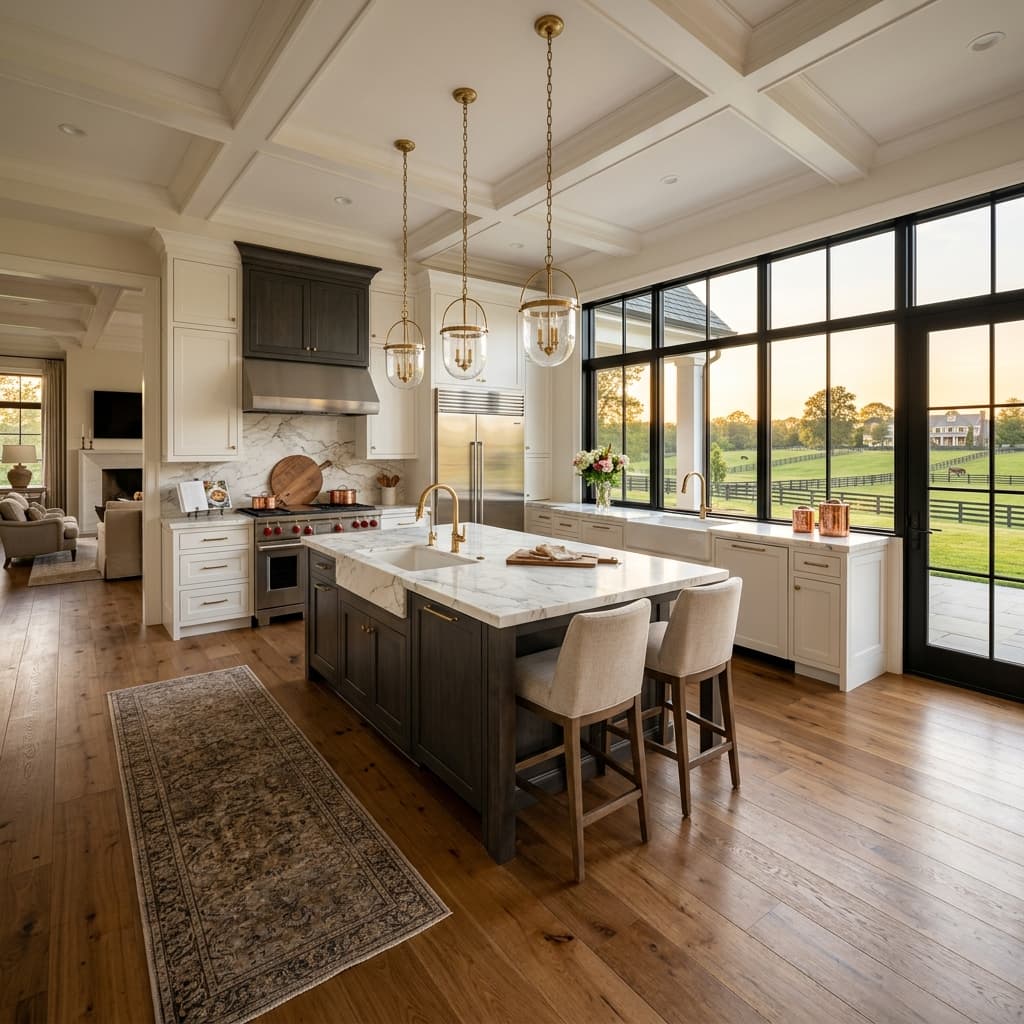
Look past the listing
Once a home catches your eye, we dig into the condition, the location, how it will resell, and what you’d give up to get it.
The Process
Bring the ones you think are too basic: what you can afford, what it costs beyond the price, and which red flags to watch for. Most buying mistakes happen before the first tour.
How long you plan to stay, how soon you need to move, and what you will and won’t give up. Your answers guide every decision after that.
Know what you’ll pay at closing and every month after. If you need a loan, we can introduce you to a lender, and you’re free to use anyone.
We start outside: the street, the area around it, and the drive to the places you go most. Inside, we check the condition top to bottom and ask the questions you might not think to ask.
Terms depend on the property’s situation. Ninety days on market with two price cuts is a different negotiation than ten offers in the first weekend. Price is one lever; earnest money, inspection and closing timelines, seller concessions, and possession are the others.
General, termite, and radon are the baseline. Specialty inspections get added when the property calls for them.
A licensed appraiser gives your lender an independent opinion of market value. It protects you from overpaying, because the lender will not lend more than the home is worth.
Appraisal conditions come first, because your loan depends on them. Then safety and major systems: roof, structure, HVAC, plumbing, electrical. This step is not for cosmetic items.
Movers, utilities, address changes, and any tax questions for your CPA on your side. Contract deadlines, lender progress, and title work on ours.
A final walkthrough within 48 hours confirms the home’s condition. Title issues the settlement statement itemizing every dollar, along with wiring instructions. Then signatures and keys.
What It Costs
These change with the home and your loan. We’ll go through each one with you before you sign anything.
Due Diligence
Good to know
Not for the first conversation. Before you start touring seriously, yes. It tells you your budget and makes your offer stronger when the right house comes along. We can introduce you to a lender when you’re ready.
A lot more than unlock doors. We help with pricing, the neighborhood, the home’s condition and resale, your offer, the inspection and appraisal, contract deadlines, and negotiating.
Finding the right house takes weeks for some people and months for others. Once you’re under contract, a purchase with a loan usually takes four to six weeks to close.
You have four options: challenge the appraisal, ask the seller to reduce the price, bring the difference to closing, or walk away. Which one makes sense depends on your financing, the property, and how motivated the seller is. We lay out all four before you decide.
General, termite, and radon on almost every home. Beyond that, it depends on the house. An older home, a septic system, a chimney, or anything the general inspector flags might need a specialist. We’ll tell you when one is worth the money.
Sometimes. It depends on your financing and how much risk you’re comfortable with. We’ll walk you through the options, like an offer that depends on selling your home, lining up both closings, or renting for a short time in between.
Browse homes for sale, or tell us what you’re looking for.